

A proposito della disputa tra Anthropic e Governo USA
Alcune argomentazioni non sono state discusse come dovrebbero, lasciando solo spazio a considerazioni moralistiche. Usiamo questo passaggio per fare un salto di qualità nel dibattito pubblico.

Con il post di Dario Amodei, che nega al Dipartimento della Guerra l’accesso ad alcune feature di Claude, è avvenuto un passaggio emblematico e critico nel rapporto tra fornitori di tecnologie e governi.
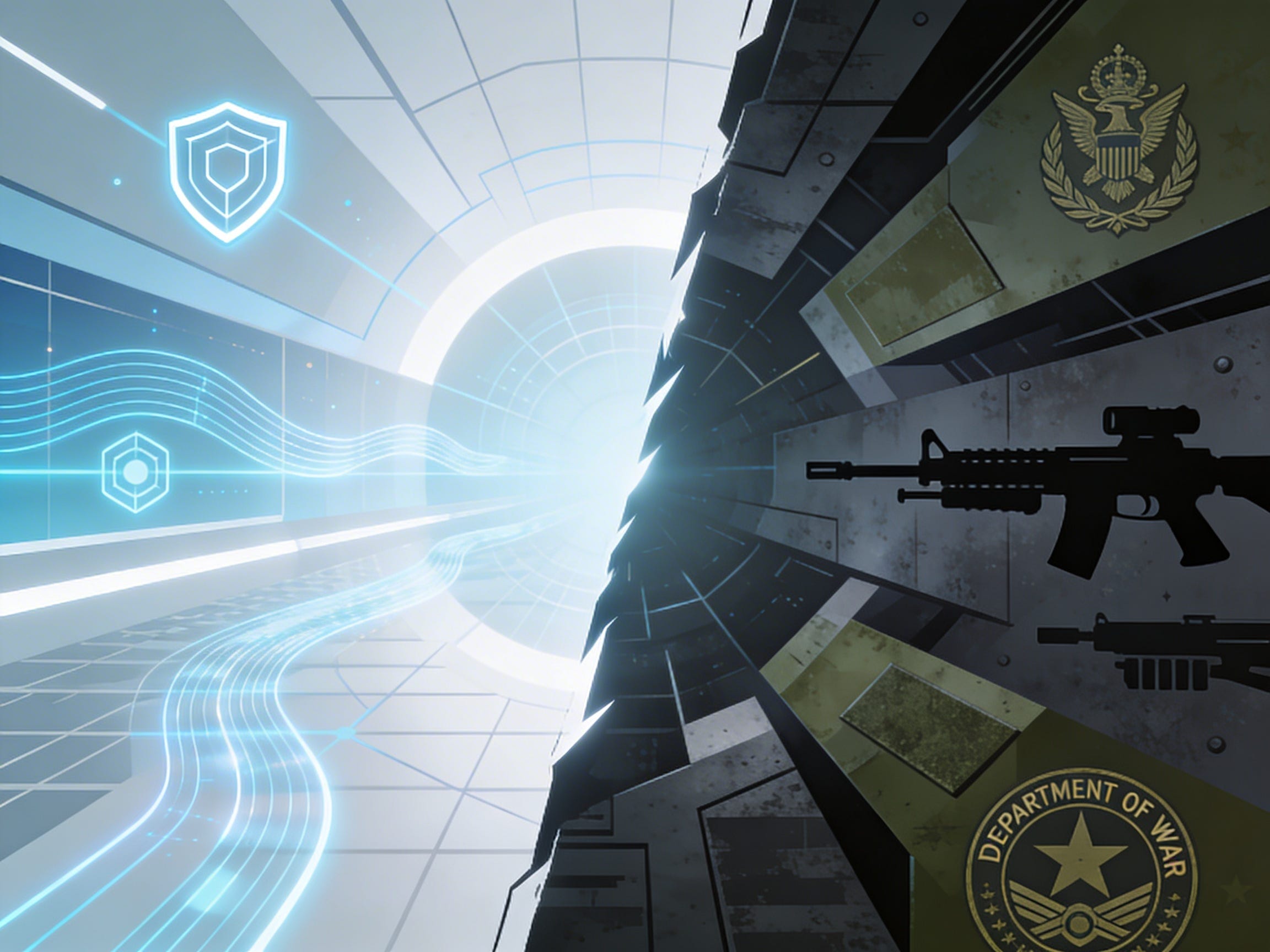
Amodei contesta l’utilizzo di Claude in due scenari critici:
Mass domestic surveillance. We support the use of AI for lawful foreign intelligence and counterintelligence missions. But using these systems for mass domestic surveillance is incompatible with democratic values. AI-driven mass surveillance presents serious, novel risks to our fundamental liberties. To the extent that such surveillance is currently legal, this is only because the law has not yet caught up with the rapidly growing capabilities of AI. For example, under current law, the government can purchase detailed records of Americans’ movements, web browsing, and associations from public sources without obtaining a warrant, a practice the Intelligence Community has acknowledged raises privacy concerns and that has generated bipartisan opposition in Congress. Powerful AI makes it possible to assemble this scattered, individually innocuous data into a comprehensive picture of any person’s life—automatically and at massive scale.
Fully autonomous weapons. Partially autonomous weapons, like those used today in Ukraine, are vital to the defense of democracy. Even fully autonomous weapons (those that take humans out of the loop entirely and automate selecting and engaging targets) may prove critical for our national defense. But today, frontier AI systems are simply not reliable enough to power fully autonomous weapons. We will not knowingly provide a product that puts America’s warfighters and civilians at risk. We have offered to work directly with the Department of War on R&D to improve the reliability of these systems, but they have not accepted this offer. In addition, without proper oversight, fully autonomous weapons cannot be relied upon to exercise the critical judgment that our highly trained, professional troops exhibit every day. They need to be deployed with proper guardrails, which don’t exist today.
Molti hanno lodato la posizione etica e morale di Amodei. Ovviamente, condivido le motivazioni di Amodei. Ma dal punto di vista giuridico e di analisi del mercato ci sono alcuni aspetti che dovrebbero essere discussi in modo molto più approfondito.
In primo luogo, l’aspetto giuridico. Scrive Amodei:
AI-driven mass surveillance presents serious, novel risks to our fundamental liberties. To the extent that such surveillance is currently legal, this is only because the law has not yet caught up with the rapidly growing capabilities of AI…
Come sottolinea un commento apparso sul New York Times, non sta ad Amodei decidere cosa sia legale e cosa no:
The tool Anthropic is providing to the government is enormously powerful; like other tools, it can inherently be used for good or evil. Anthropic is rightly concerned that its tool could be used in ways that are unsafe or malicious. The company doesn’t want to see its A.I. model used without human control, which could result in the killing of noncombatants or friendly troops by automated weapons, nor deployed to spy broadly on Americans in ways that could violate dearly held values like privacy and freedom from illegal search and seizure or could suppress political dissent. Most Americans would probably agree.
On its side, the Department of Defense will not accept constraints on the use of products it has purchased. The government has a point. America’s national security team needs to have the freedom to use the products it buys within the law and not be beholden to preferences from the sellers.
La vera questione, come ricorda il NYT, è che sia il Congresso a dover esprimersi su queste vicende, anche con atti legislativi volti a tutelare i diritti delle persone e della collettività.
Non può essere che tutto dipenda
solo dal livello di moralità del singolo imprenditore!
Lo stesso punto è sollevato, in modo sorprendente, dai senatori Tillis (repubblicano) e Peters (democratico) in queste dichiarazioni riportate da Axios:
“Why in the hell are we having this discussion in public?” Sen. Thom Tillis told Axios. “Why isn’t this occurring in a boardroom or in the secretary’s office? I mean, this is sophomoric.”
“It’s fair to say that Congress needs to weigh in if they have a tool that could actually result in mass surveillance,” Tillis, a member of the Armed Services Committee, said.
“The deadline is incredibly tight,” Sen. Gary Peters told Axios. “That should not be the case if you’re dealing with mass surveillance of civilians. You’re also dealing with the potential use of lethal force without a human in the loop.”
“There’s a contract in place that was signed with the administration, and now they’re trying to break it,” Peters added.
Dal punto di vista dell’analisi del mercato, due sono le considerazioni che credo debbano essere fatte.
Quanto sta accadendo dimostra quanto queste tecnologie siano ancora immature e inaffidabili, come Gary Marcus ricorda ripetutamente:
 Joseph Hurtado - Founder Granata Consulting@josephfounder"Gen AI is NOT too smart. It’s too *unreliable*. It’s the combination of unreliability and deployment where it should been deployed (e.g. military without oversight) that makes it dangerous." @GaryMarcus Professor Gary Marcus is right, AI being put in charge of life and10:07 PM · Feb 26, 2026 · 3.47K Visualizzazioni12 Repost · 46 Mi piace
È così. E io aggiungo che, anche se la tecnologia maturasse, non è tecnicamente progettata per operare in determinati scenari per via delle sue caratteristiche intrinseche. Per di più, che scelte come l’uso delle armi d’attacco o addirittura nucleari siano affidate a processi automatici è una follia.
Tutto questo è anche il frutto della campagna martellante di chi produce queste tecnologie, che enfatizza le loro capacità e potenzialità oltre il limite del ragionevole. È bene che si inizi a fare autocritica su questo punto.

Se uno di questi sistemi producesse danni a persone o, peggio, catastrofi, i primi che ne sarebbero colpiti sarebbero proprio coloro che hanno costruito una narrazione sensazionalistica ed esagerata. Credo che loro stessi ne siano consapevoli.
Per cui non si tratta solo di “evitare brutte cose”. Certo, va benissimo, ovviamente. Ma questa vicenda deve essere l’occasione per iniziare a discutere di queste tecnologie in modo serio, e non per slogan e annunci sensazionalistici.
Ne saremo capaci?
E in Italia?
© 2026 Alfonso Fuggetta & Sonia Montegiove. Salvo diversa indicazione, tutti i contenuti di questa pubblicazione sono protetti da copyright e rilasciati con licenza CC BY-NC-ND 4.0: https://creativecommons.org/licenses/by-nc-nd/4.0/deed.it
Tra l'altro, il Frank Kendall che ha scritto l'editoriale su NYTimes è stato Segretario dell'Air Force sotto Biden fino alla scadenza del mandato, e prima ancora Sottosegretario alla Difesa per acquisizioni e tecnologia sotto Obama. È uno che ha gestito personalmente i contratti tra Pentagono e industria tech per quasi un decennio. Quando usa la parola "extortion" sa esattamente di cosa parla, e sa anche che l'argomento di Anthropic sulle clausole contrattuali non regge, perché ha visto il sistema dall'interno.
Io penso che se noi, proprio noi che stiamo discutendo e commentando su questo tema, ci trovassimo attaccati da una potenza estera, noi e i nostri famigliari…
… ecco penso che non ci porremmo il dilemma che si sta ponendo Anthropic. Magari mi sbaglio, ma penso che noi stessi considereremmo “ovvio” il fatto che, per salvare le nostre vite, quelle dei nostri cari ed i valori che ci hanno tramandato, sia necessario che il “software andasse al massimo di quello che puo’l.
Quindi, io forse sposterei il discorso dal “generale” (e’ in assoluto giusta o sbagliata eticamente la posizione di Anthropic rispetto allo Stato ? Dico eticamente…ma ogni altra connotazione positiva andrebbe bene) al “contestuale”.
I due casi prospettati da Anthropic sono, implicitamente, relativi ad azioni “aggressive”.
L’esempio che homfatto all’inizio puntava una azione “difensiva”. (Poi, sappiamo che, a volte, la prima difesa e’ l’attacco…. E qui le cose diventano dibattito …)
Non aiuta, a mio modestissimo avviso, il fatto che il controllo sia nelle mani di un gruppo di persone per le quali, forse, la difesa (ed il progresso) della democrazia come la intendiamo di solito, non proprio cosi’ evidente.
Quindi, al servizio di cosa (e di CHI) esattamente si dovrebbe mettere il « software senza T&Cs” ?